News
Low Pressure Air Compressor for Fabric Printing & Ink Painting Industry
Low Pressure Air Compressor for Fabric Printing & Ink Painting Industry
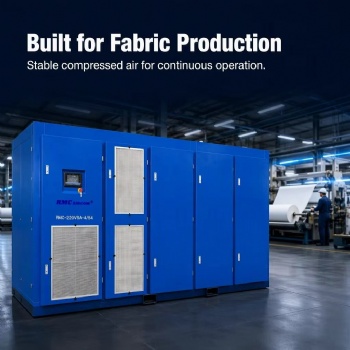
Low-pressure air compressors can be used in the textile printing, fabric painting, screen printing, and digital inkjet printing industries.
For these applications, the compressor is generally used to provide stable compressed air for pneumatic actuators, fabric handling, ink supply systems, cleaning, and drying-related equipment.
An important point: not every machine needs high-pressure compressed air. Many applications operate at 2–6 bar, making low-pressure air compressors a potentially energy-efficient solution.
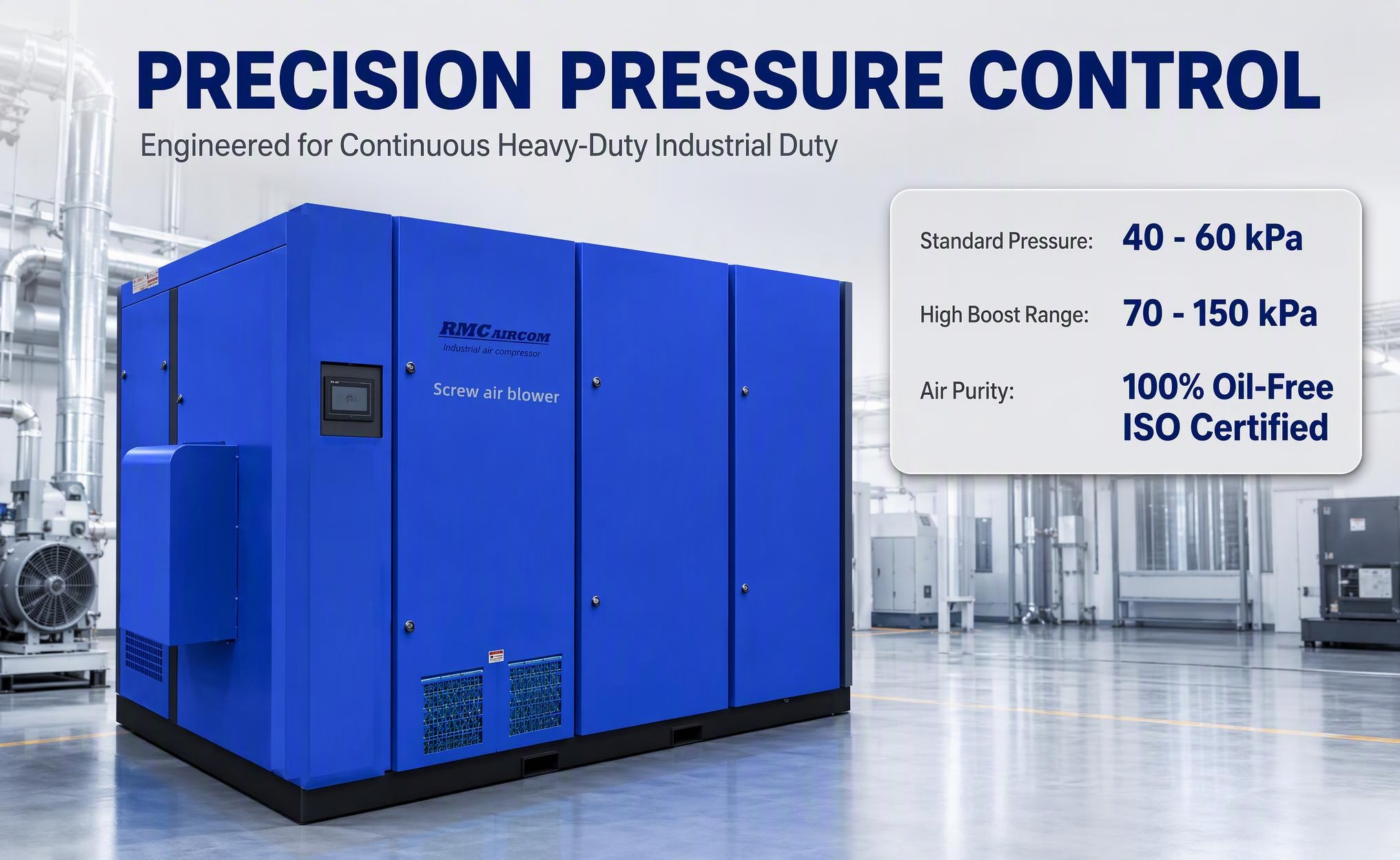
1. Main applications
A. Textile screen printing
Pneumatic operation of printing heads
Fabric positioning and tension control
Pneumatic valves and cylinders
Cleaning and maintenance
Typical pressure: 4–6 bar
B. Digital textile inkjet printing
Pneumatic control of printing equipment
Ink supply and auxiliary pneumatic systems
Automatic printhead maintenance
Fabric feeding and positioning
Typical pressure: 4–6 bar, depending on machine design
C. Rotary textile printing
Pneumatic actuators
Printing roller control
Fabric tension adjustment
Automatic cleaning systems
Typical pressure: 4–7 bar
D. Fabric painting and spray coating
Spray guns and atomization
Pneumatic paint application
Fabric coating and finishing
Air-assisted material transfer
Typical pressure: 2–6 bar, depending on spray equipment
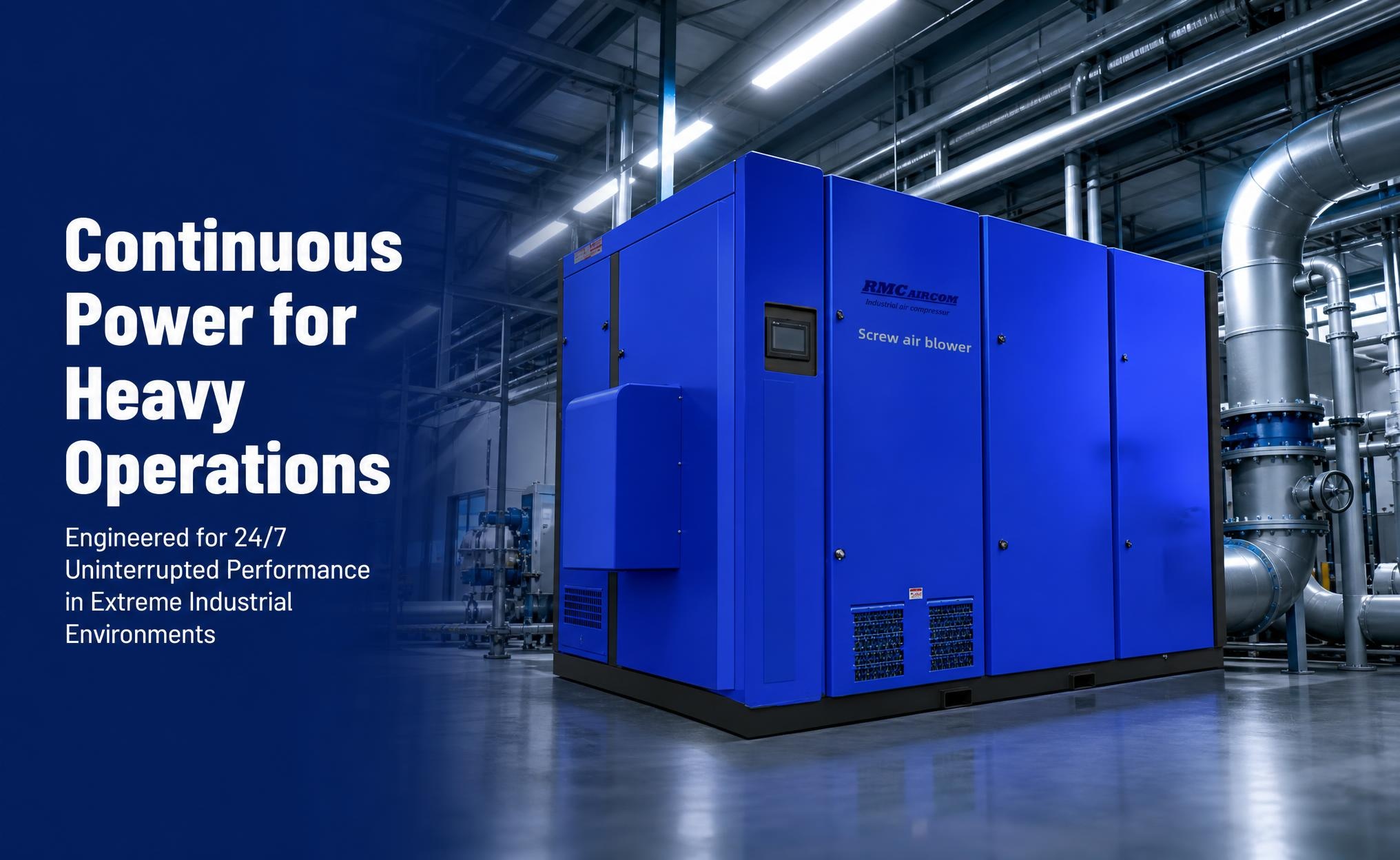
Recommended compressor configuration
For a textile printing factory, I would consider the following configuration:
Low-pressure compressed air system
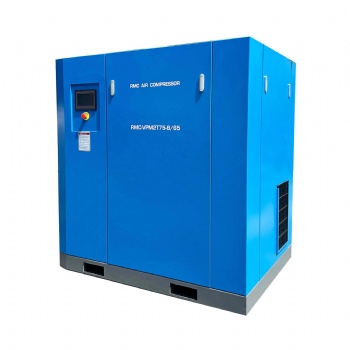
Low-pressure screw air compressor
3–5 bar
Working pressure, subject to equipment requirements
Air receiver tank
Stabilizes pressure and handles peak demand
Refrigerated air dryer
Removes moisture from compressed air
Precision air filters
Remove oil aerosols and solid particles as required
Textile printing machines-stable,clean and dry compressed air.


 Send Email
 售前客服
 Skype
 WhatsApp